

The ranking includes 45 employer companies representing 15 sectors of the economy. Focus compiled a longlist of 142 national companies and circulated it among leading experts in employment, business and recruitment. They assessed the participants on a scale from 1 to 10, where scores of 1-2 indicate a negative employer reputation and 8-9 an excellent one.
The assessment covered formal employment practices, salary levels, opportunities for career growth, the presence of a corporate development system, internship programmes for students, veteran reintegration initiatives, cooperation with universities and employee feedback.
After the average score was calculated, companies were ranked from the highest result to the lowest.
In the Industry category, alongside Metinvest, the ranking included Interpipe and JTI Ukraine.
According to Focus, Metinvest currently employs around 50,000 people. The Group’s core production facilities are located in the Zaporizhzhia and Dnipropetrovsk regions. Since the start of the war, the workforce has declined by more than 60%, amounting to tens of thousands of employees. At the same time, one in six Metinvest employees is serving in the armed forces of Ukraine.
At the Group’s enterprises, around 4,000 vacancies remain open. However, filling these positions is hampered by the outflow of Ukrainians abroad and an inefficient employee reservation (exemption) system.
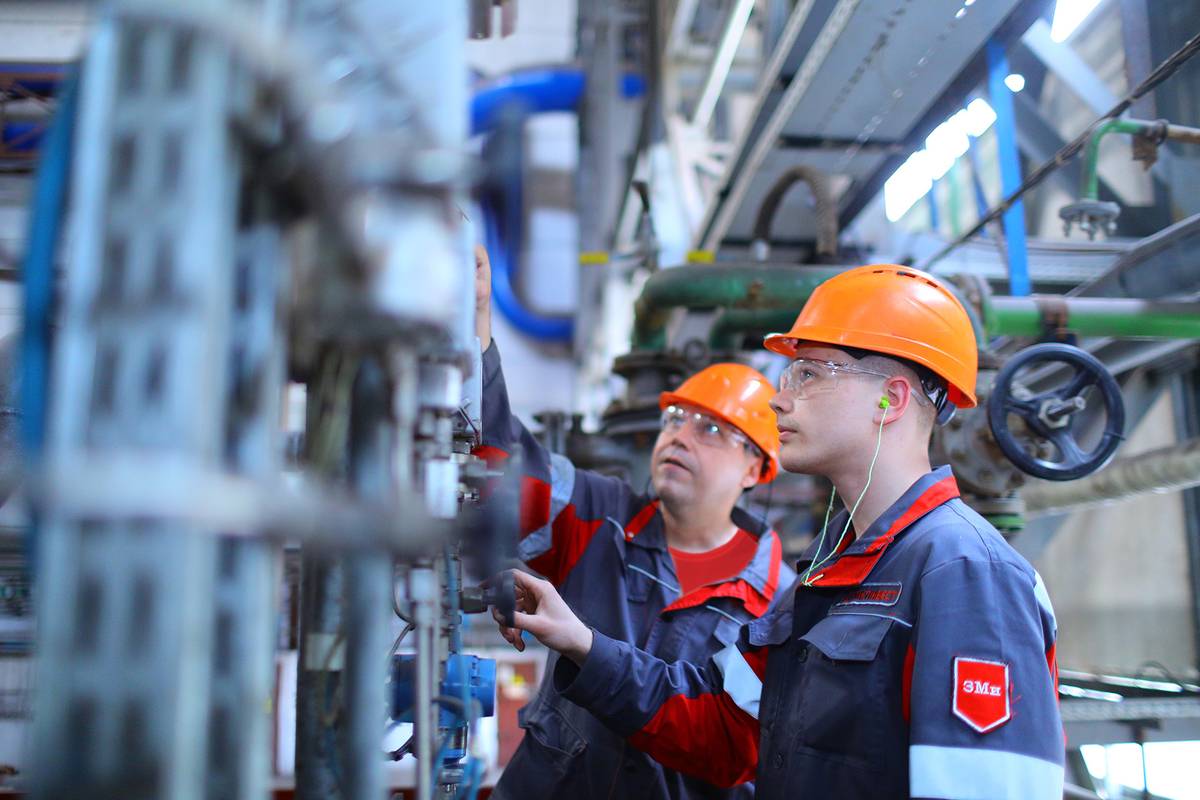
Metinvest offers its employees official (“white”) salaries and a comprehensive social benefits package, including regular salary indexation (since the start of the war, employee wages have increased by 50%) and an extensive bonus system. Employees are covered by insurance and have access to the "Metinvest – Together!" support programme, which also extends to family members. The Group additionally provides assistance in emergency situations (injury, death or damage to housing as a result of shelling), as well as support for mobilised employees.
Separate training and professional development programmes are in place for different categories of employees. Where necessary, staff are also given the opportunity to retrain at the Group’s expense.
Since the start of Russia’s full-scale invasion, Metinvest has allocated UAH9.7 billion to support Ukraine, including UAH5.2 billion for the needs of the armed forces as part of Rinat Akhmetov’s Steel Front military initiative.
The Group also works actively to reintegrate veterans and offers free training and retraining programmes, as well as preferential admission conditions to Metinvest Polytechnic. This year, 26 war veterans enrolled at the university.
The Group has implemented several dedicated programmes for veterans, including:
• “Speak Up, Veteran” project – focuses on adapted onboarding, meetings with experts and support for the families of Ukraine’s defenders
• “Heroes Among Us” – aimed at helping teams to better understand and respond to veterans’ needs
• “Leadership in Wartime” – trains managers in responsible leadership practices, including effective cooperation with veterans
• “POBRATYM” sessions – a peer support group for veterans
• “Veterans’ Camping” – a programme of psychophysical rehabilitation for veterans at a sanatorium
• “The Free Waves” rehabilitation project – a swimming-based recovery programme for people with disabilities in Zaporizhzhia, Kryvyi Rih and Kamianske
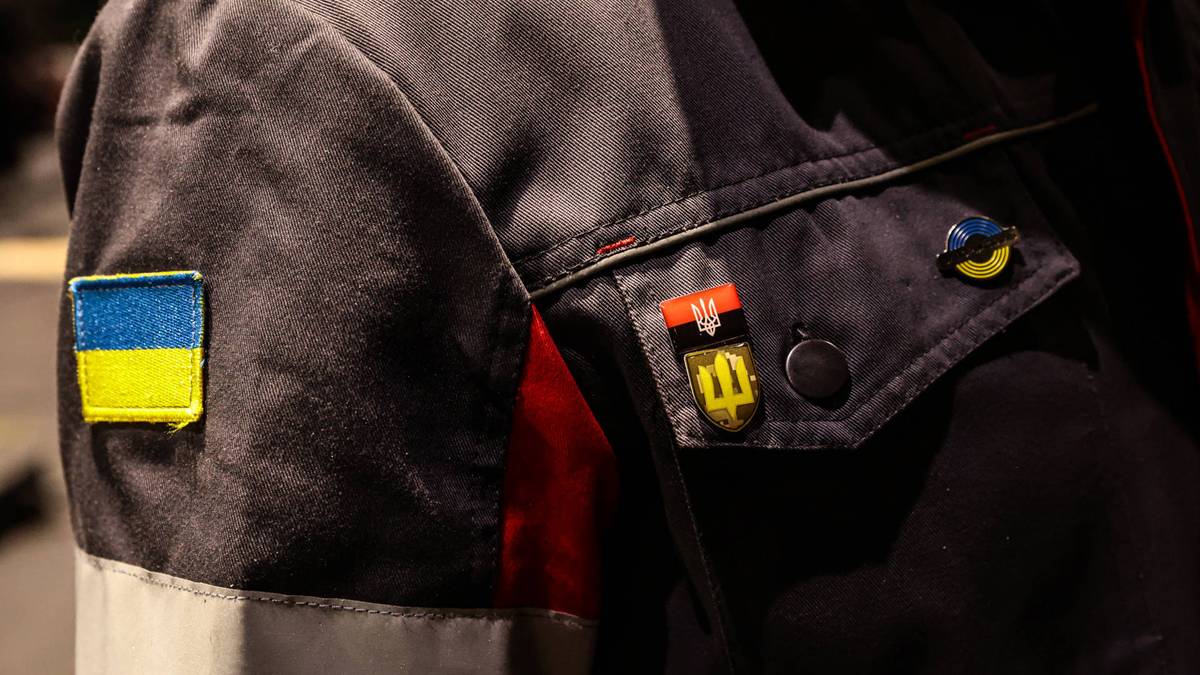
Overall, the veteran adaptation programme will cost Metinvest US$550,000 this year, more than double last year’s figure of US$250,000.
Tetiana Petruk, chief sustainability officer at Metinvest, said: “We are ready to employ everyone who is willing to work. We have vacancies for both men and women, with or without prior experience. Where necessary, we retrain employees: staff can acquire additional professions at the Group’s expense. We place a strong focus on war veterans. We offer training and employment opportunities for former service members, helping them adapt to civilian life and integrate into work processes. All Metinvest employees also have the opportunity to obtain higher education free of charge and master a new profession at Metinvest Polytechnic, our mining and metals university.”
Focus has also published an article on what workforce challenges the industry is facing and what Metinvest is doing to attract and retain employees: “Without industry, Ukraine’s recovery is impossible: how Metinvest overcomes staffing challenges.”
Since the start of the full-scale war, Ukraine has faced a critical shortage of skilled labour. The lack of personnel in the metals industry has a direct impact on the economy and the development of its key sectors, as each job in it generates a further eight jobs in related industries.
The war has exacerbated staffing challenges at industrial enterprises. Mass mobilisation, the outflow of young people due to emigration, difficulties in production planning caused by labour shortages and the need to retrain employees and integrate war veterans are among the key challenges facing Metinvest and other industrial companies.
Today, around 4,000 vacancies remain open across the Group’s enterprises, while more than 8,000 employees are currently serving in the armed forces of Ukraine. Since 2014, over 11,000 Metinvest employees have passed through the defence forces. The most acute labour shortages are in operational roles, including equipment operators and machinists, as well as workers in blast furnace and steelmaking production.
“Ukraine’s reconstruction will begin with industry,” said Petruk. “The shortage of skilled personnel is one of the main threats to production stability, economic development and the country’s future recovery.”
This is why Metinvest places people at the centre of its approach, shaping a human resources strategy that addresses the current needs of industry, supports the training of young professionals, enables the retraining of women and focuses on the reintegration of war veterans.
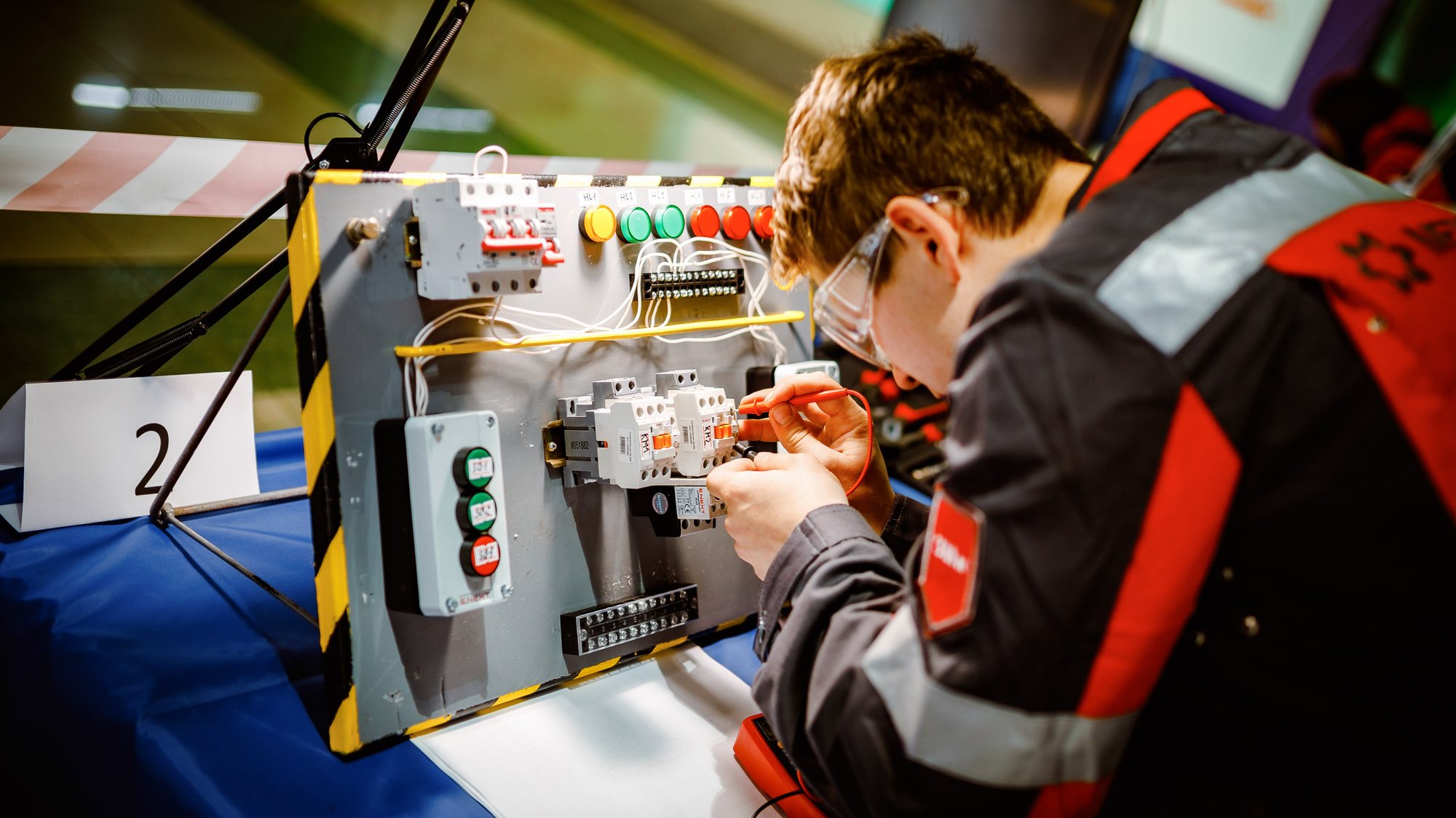
Training and retraining of personnel
The shortage of skilled specialists in the regions where Metinvest operates – Zaporizhzhia, Kryvyi Rih and Kamianske, located just a few dozen kilometres from the front line – is forcing it to rethink its approach to workforce training. The Group has shortened the duration of professional training programmes, making them highly practical and focused on learning directly in the workplace.
“Previously, it took six to nine months to train as a steelmaker,” explained Petruk. “Today, we have reduced this period to a maximum of three months, concentrating on the practical skills that are required at the enterprise from the very first day.”
The Group is ready to train anyone who is willing to work, even without prior experience. This approach helps to fill vacancies and maintain production stability even in challenging conditions.
In addition, Metinvest offers opportunities for upskilling and professional development. Retraining enables employees to quickly acquire new professions and remain in demand on the labour market.
Metinvest Polytechnic: education aligned with modern needs
The key instrument for attracting talent is Metinvest Polytechnic, the Group’s mining and metals university. It trains specialists capable of guiding industrial enterprises through the challenges of decarbonisation and digitalisation.
The university offers engineering and technical higher education across 19 bachelor’s programmes, 21 master’s programmes and five doctoral tracks, as well as professional development courses and training programmes. This year, Metinvest Polytechnic launched a new pathway – the junior professional bachelor – which has already been chosen by more than 100 students. Among those enrolled at the university are 26 war veterans, including employees of Metinvest enterprises and participants in the defence of Mariupol.
Students complete practical training at the Group’s facilities in Ukraine and Europe, and graduates are guaranteed employment. To date, the university has produced 267 master’s graduates who have begun their careers in Ukrainian industry, including at Metinvest enterprises.
“We work not only with Metinvest Polytechnic, but also with other universities and vocational colleges in the regions where we operate,” said Petruk. “We engage with parents and young people to help them make informed choices about their future careers.”
The Group is developing a corporate workforce plan for Metinvest Polytechnic covering the next five years, ensuring that the university trains specialists whose skills match the needs of production.
This year, Metinvest also launched a programme for Ukrainian students studying abroad. A pilot project in the United Kingdom has already enabled some students to complete internships at Ukrainian and international facilities, with several of them going on to secure employment.
Reintegration of veterans
Veterans represent Metinvest’s largest talent pool. The Group works not only with its own demobilised employees, but also with other service members returning from the front line.
Metinvest offers defenders free retraining and upskilling programmes, preferential admission to Metinvest Polytechnic and comprehensive social adaptation support. In addition, veterans can access physical and psychological rehabilitation funded by the Group, while teams across the business are trained on how to work effectively with demobilised colleagues. Dedicated specialists responsible for veteran reintegration operate at each Metinvest facility.
Based at the company’s sanatorium, the Veteran Camping programme has been established, while “POBRATYM” peer-support sessions help veterans to share their experiences with one another. More than 1,000 demobilised employees are already taking part in adaptation and reintegration programmes. The budget allocated for veteran support and reintegration initiatives this year amounts to around US$550,000.
“Our work with veterans is grounded in a humane and respectful approach,” said Petruk. Every employee – from the CEO to shop-floor managers – shares responsibility for integrating our heroes, many of whom continue to work even under shelling.”

Engaging young people and women
Metinvest attracts young talent through initiatives such as First Job, Young Specialist and international internship programmes.
Amid the mass conscription of men aged 18-22 following legislative changes, the Group has adapted its HR strategy by retraining women for traditionally male roles and reallocating men to physically demanding positions to maintain production stability. Today, women account for 30% of Metinvest’s workforce, working as crane operators, electricians, quarry workers and heavy machinery drivers.
“This is particularly important given that one in five of our employees is currently serving in the armed forces, and women are helping to offset the resulting skills shortage,” noted Petruk.
Social guarantees and motivation
Metinvest provides its employees with competitive remuneration that exceeds the average levels both regionally and across Ukraine. Last year, it increased salaries by an average of 15%, and by up to 30% for particularly scarce professions. In 2025, wages at production and service facilities rose by a further 20%, while since the start of the war, employees’ salaries have increased by 50% overall.
The Group is ready to invest own resources in training people, providing accommodation and maintaining a high level of social guarantees. At the same time, Metinvest believes that addressing the workforce shortage requires a joint programme between the state and business, one that would share costs and create conditions enabling veterans and internally displaced people to live and work in industrial regions. Only through such coordinated efforts can a strong industrial base be built, laying the foundation for the country’s recovery and long-term development.