
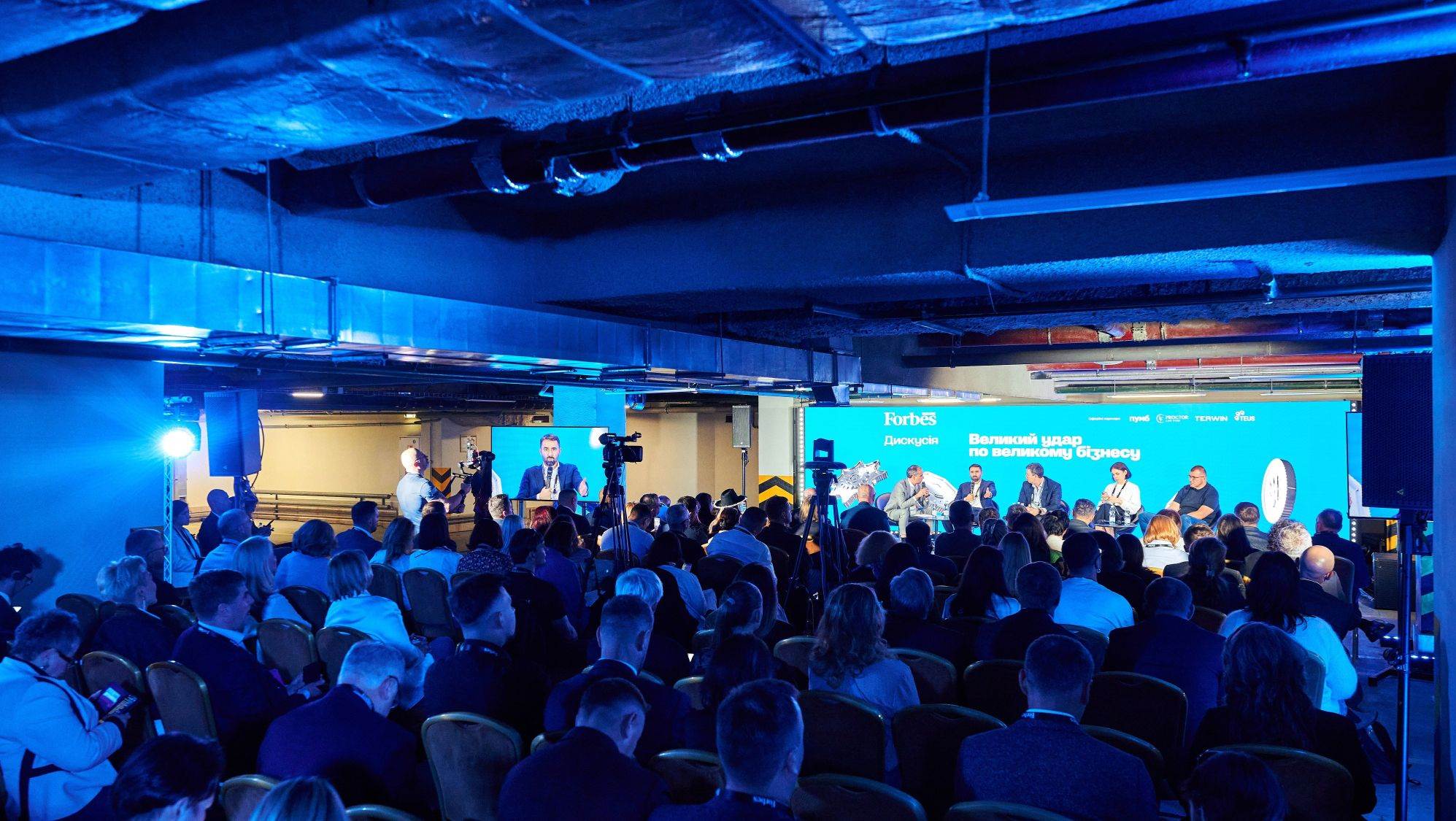
The event brought together representatives of the government, business community, financial sector and international institutions. Participants discussed the main risks facing the economy, businesses’ preparedness for a difficult winter, support and financing for companies, the resumption of production, as well as energy and logistics issues amid intensifying russian attacks.
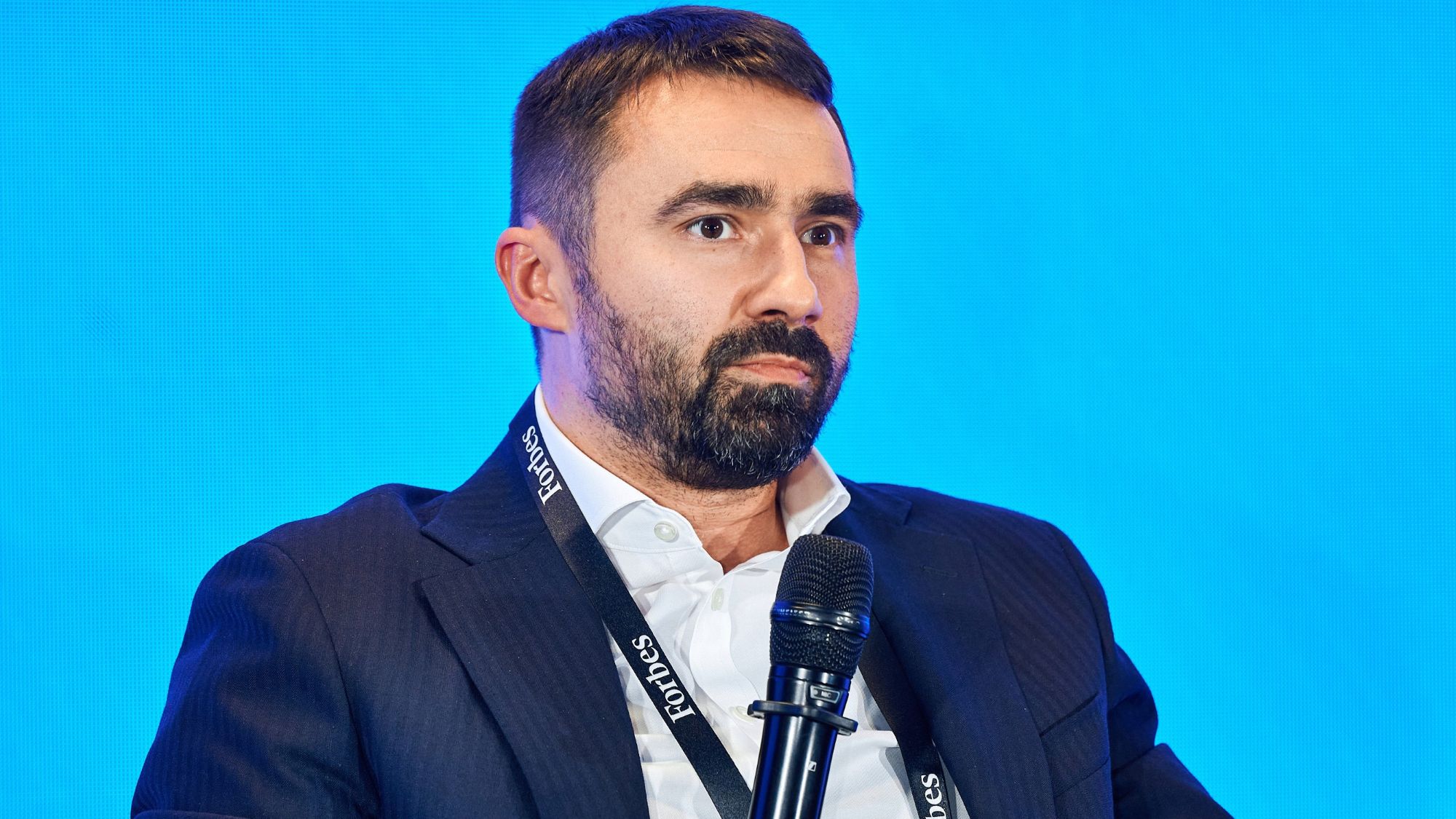
Vodoviz took part in the panel discussion “A Major Blow to Big Business”. The discussion also featured executives from Kernel and Intertop Ukraine, as well as representatives of the Ministry of Economy and Environment of Ukraine.
Metallurgy on the brink
“The situation in the steel industry is catastrophic. In September, there was a week when, for the first time in 100 years, Ukraine did not produce a single tonne of steel. Every single plant has been damaged. Some have been hit several times. Many people have been killed. At present, we are shut down,” Vodoviz said.
According to him, restarting a blast furnace at Zaporizhstal that was damaged by russian shelling would require at least US$50 million, while the furnace itself costs around US$500 million. At the same time, existing government recovery programmes provide far smaller amounts of support, including UAH2-5 million (around US$45,000-110,000) for small businesses.
The total investments required to restore Ukraine’s steel industry are estimated in the billions of dollars. However, according to Vodoviz, there is currently no systemic solution to support large businesses, despite the extent to which small and medium-sized companies depend on them.
“The situation in the economy is extraordinary. You cannot operate in an extraordinary situation and continue making conventional decisions,” he added.
Decisions on whether to invest in restoring production facilities depend on three main factors: russian attacks; the blockade of ports, which restricts exports; and trade restrictions in the EU market, including CBAM – the Carbon Border Adjustment Mechanism, which is effectively a carbon levy – and reduced steel import quotas.
“Resolving these issues will determine whether we can restart right now,” Vodoviz explained.
Government support is needed
Vodoviz also emphasised the need to change the approach to government support for large businesses.
“We are not asking the state to finance us or provide grants. We want to operate on a level playing field. For example, we do not have access to the Ukraine Facility. Today, what businesses need is for the state not to create new barriers or increase the tax burden. The main problem is that there are currently no government measures for large businesses that would help to support the pillars of the Ukrainian economy. There is no government plan of the kind we would like to hear. What happens next? Businesses are planning only a month ahead; no one is looking beyond six months,” said Vodoviz.
According to Daria Marchak, Deputy Minister of Economy and Environment, around UAH45 billion has been allocated this year to programmes run by the Ministry of Economy, including programmes of the Ministry of Agrarian Policy: around UAH35 billion from the general fund and roughly UAH10 billion from the special fund.
The 2027 budget currently provides for around UAH95 billion, two-thirds of which is expected to form an insurance fund. Additionally, nearly UAH10 billion has been earmarked for a separate programme, while the remainder has been allocated to other business support programmes.
Vodoviz noted that while Metinvest had reviewed around 15 government programmes and financing options, most did not match the scale of large businesses’ needs.
In particular, the company applied for the “Tochka Opory” (“Point of Support”) programme, which provides compensation for labour costs during periods of downtime. However, the programme has a total budget of UAH1 billion for the entire country: a limited sum compared with the personnel costs of major industrial employers.
“There are certain shortcomings in the government’s support for large businesses,” Vodoviz said.
At the same time, he welcomed the launch of war-risk insurance programmes for businesses. According to Vodoviz, even the introduction of such a programme can affect insurance and logistics costs, as was the case during the operation of the grain corridor.