
As the publication notes, Ukraine is facing an unprecedented labour shortage. According to the European Business Association, 74% of Ukrainian companies reported a shortage of employees in 2025.
At the same time, the country has a significant labour reserve: 5.6 million Ukrainians currently live abroad. According to a study by the Centre for Economic Strategy, 43% of them plan to return to their homeland. How is Ukrainian business already working with this talent pool?
Among other things, business initiatives offer educational and career opportunities, as well as financial support, to encourage Ukrainians to return home. These programmes are aimed at creating conditions for professional development and participation in the country’s recovery.
How business is building a “bridge” to Ukraine
Another way of integrating fellow Ukrainians living abroad into the Ukrainian labour market is by employing them at overseas branches or remotely. This approach is used by Kormotech, which has production facilities in Lithuania, as well as by Ukrainian IT companies and Metinvest.
The steelmaking group is also placing an emphasis on career opportunities and involvement in Ukraine’s reconstruction efforts.
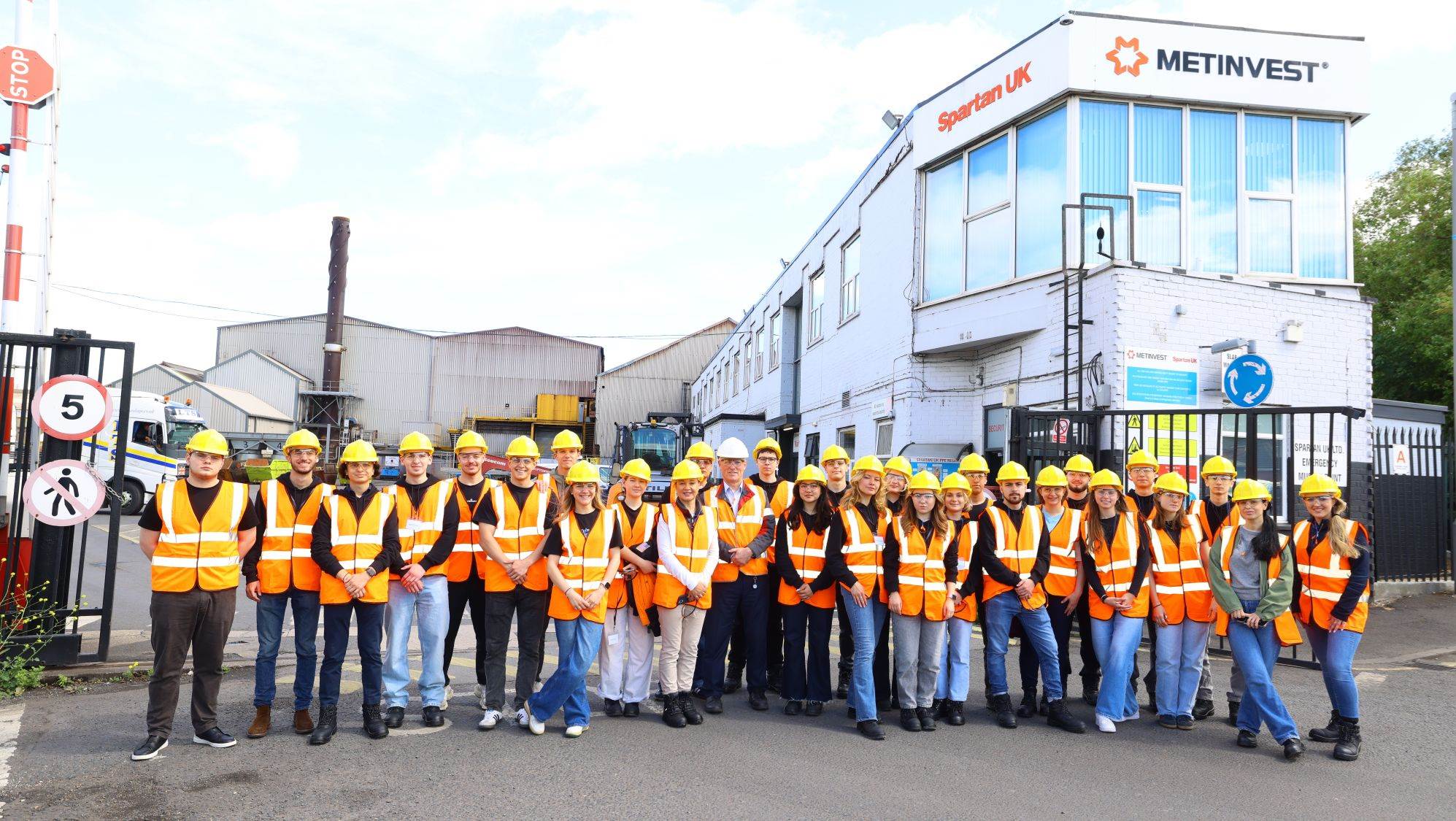
In 2025, Metinvest launched the Steel Force programme for Ukrainian students studying at universities in the United Kingdom and Poland. The students completed paid internships at the Group’s enterprises in the UK, Switzerland, Bulgaria, the Netherlands and other countries. Some participants remained with Metinvest after completing the programme.
In total, more than 160 students submitted applications. Following the selection process, 51 participants advanced to the first stage, while 28 students were chosen for the internship programme. The initiative will continue in 2026.
“The programme provides an opportunity to build a career in an international company and contribute to projects focused on the reconstruction of Ukraine and the development of the domestic steel and mining industry,” Metinvest’s press service noted.
Advice for employers: how to attract people back from abroad effectively
For such programmes to work systematically, Ukrainian employers need to change their mindset. Specifically, they should move away from asking, “How can we bring people back?” and instead ask, “What value does a person gain from returning specifically to us?”, says Oksana Semeniuk, a mentor specialising in leadership, culture and employee experience in the workplace.
Drawing on international research in the field of global talent mobility and corporate repatriation practices, the expert recommends that employers implement the following approaches.
- “Returning with an upgrade” – This works when a person has gained experience abroad that they did not possess before leaving: having learned a language, international working standards and management practices, and established market connections. Such individuals should be welcomed back as carriers of international expertise, rather than simply as someone who has “finally returned”.
- “Soft landing” – A programme should remove one of the main barriers to returning: the uncertainty of the transition period. In such cases, the company should provide support with temporary accommodation or compensation rent for the first three to six months, assist with finding schools and nurseries, offer legal consultations, support a partner in finding employment and so on.
- “Gradual return” – An employer offering a phased approach lowers the psychological barrier to returning. The first stage involves project-based participation from abroad with a clearly defined outcome. The second is a temporary return for two to four weeks for a strategic meeting. The third stage introduces a hybrid model (one month in Ukraine, one month abroad). The fourth is a full return based on the individual’s own decision, rather than employer pressure.
- “Maintaining connection” – A company that does not maintain relationships with people abroad loses them long before they make a final decision. Practical measures include regular personal contact from managers (rather than HR mailshots), invitations to strategic sessions online, involvement in meaningful company decisions, and updates on changes and opportunities. People return to places where they still feel visible and valued.
In its article, LIGA.net also analysed the experience and return programmes for Ukrainians developed by EPAM, SheMax and the Kyiv School of Economics (KSE).