
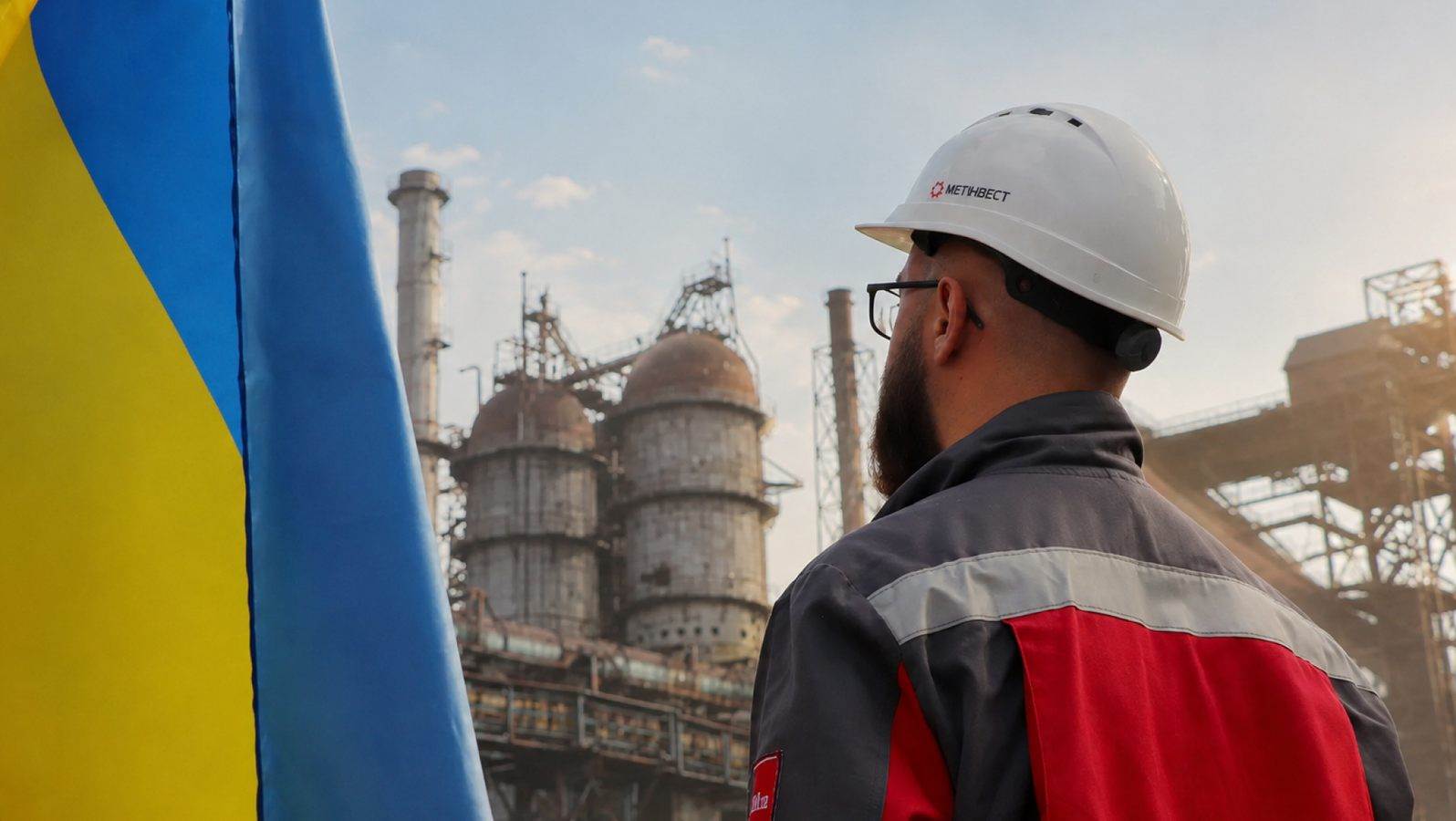
This year, Ekonomichna Pravda marks its 20th anniversary. Over this period, Ukraine has gone through more challenges than many economies face in half a century: global financial crises, two revolutions, the occupation of Crimea, the war in eastern Ukraine, the loss of part of its industrial capacity, the pandemic and Russia’s full-scale invasion of Ukraine. Throughout these years, Ekonomichna Pravda has not only documented key events and economic transformations, but also explained their impact on business, the state and society.
One of the most important companies in Ukraine’s mining and metals industry, Metinvest Group, is also celebrating its anniversary. Over these years, the Group has not merely responded to challenges. It has expanded production, modernised its operations and supported infrastructure projects. Today, it remains one of Ukraine’s largest exporters and taxpayers.
In 2026, these two stories intersect at a single point. For Ekonomichna Pravda and Metinvest, these 20 years represent two decades of experience, change and decisions that have shaped the country’s economy.
This special project is about what unites them: truth and steel, and how the stories of business and the media have become intertwined with the history of Ukraine.
2006–2011
2006–2009: The “Gas Wars” with Russia. On 1 January 2006, after Ukraine rejected the Kremlin’s ultimatum to increase gas prices fivefold, Gazprom began reducing pressure in the pipelines supplying Ukraine. The first Gas War ended in early January 2006, when Ukraine succeeded in securing a price of US$95 per thousand cubic metres.
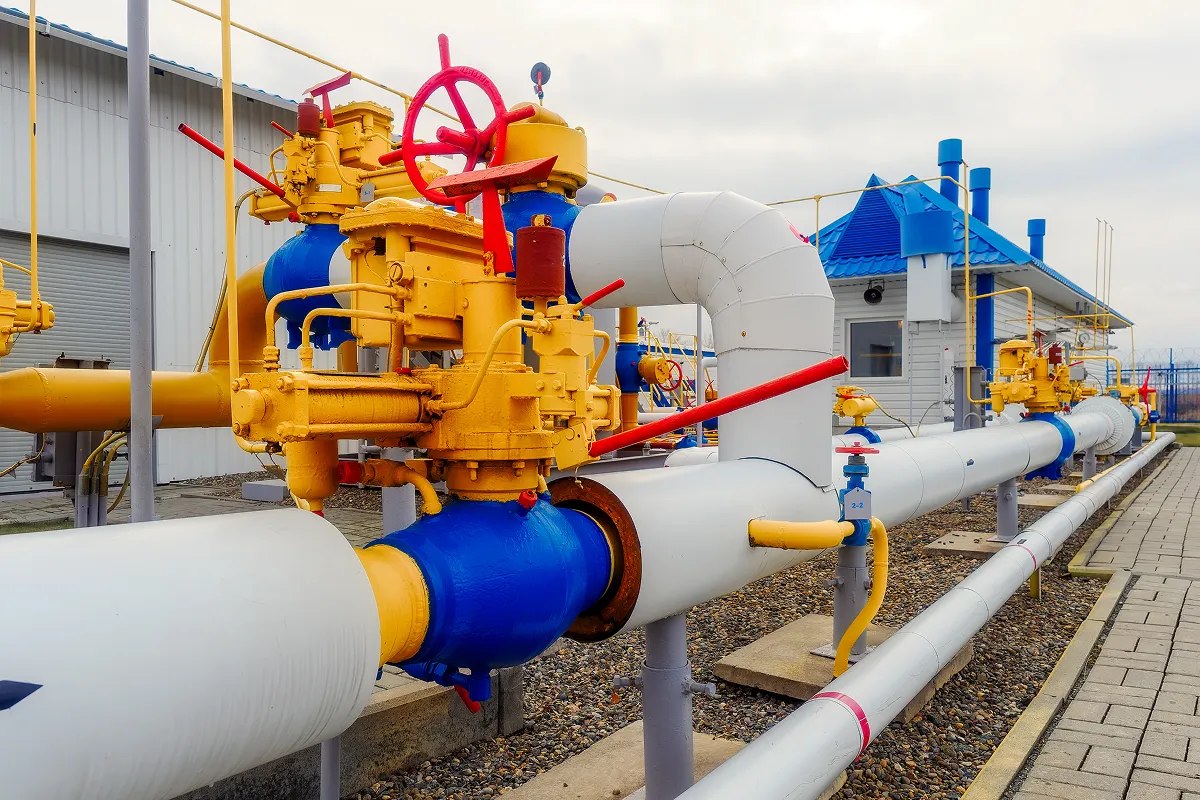
However, at the end of 2007, problems with Russian gas supplies escalated again. Using “gas blackmail”, Russia once again cut off gas supplies to Ukraine on 1 January 2009, and on 7 January, Gazprom completely halted gas transit, claiming that Ukraine was allegedly stealing gas intended for European customers.
The conflict ended after negotiations between Yulia Tymoshenko and Vladimir Putin and the signing of a controversial gas agreement. Ekonomichna Pravda was the first to publish the full text of the contract.
2006–2007: The Group established the foundation of its vertically integrated business model by bringing together mining and steelmaking assets. Metinvest became one of the world’s ten largest iron ore companies.
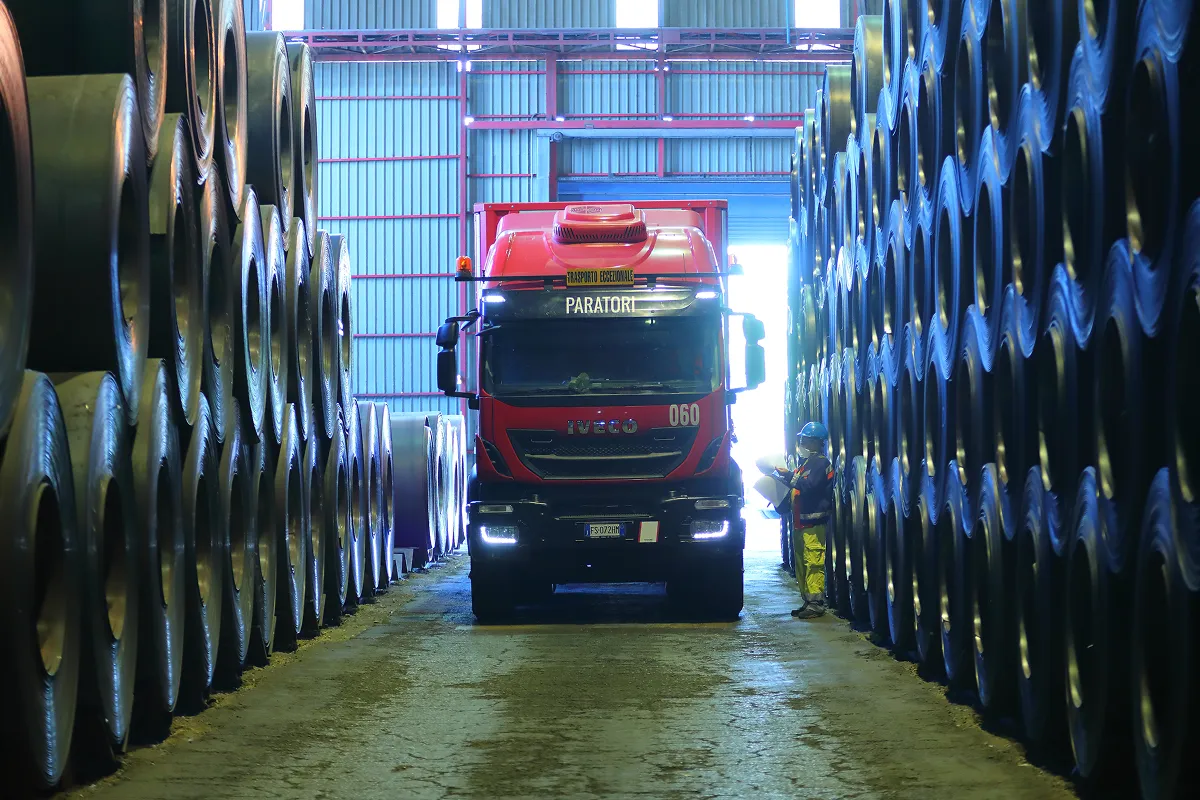
2008–2009: The global financial crisis led to a collapse in Ukrainian exports and production volumes, triggering a sharp depreciation of the hryvnia. Ukraine’s GDP contracted by 15% in 2009.
2008: Ukraine joined the World Trade Organization (WTO) after 15 years of negotiations, opening up new export opportunities, particularly for the agricultural and steel industries.
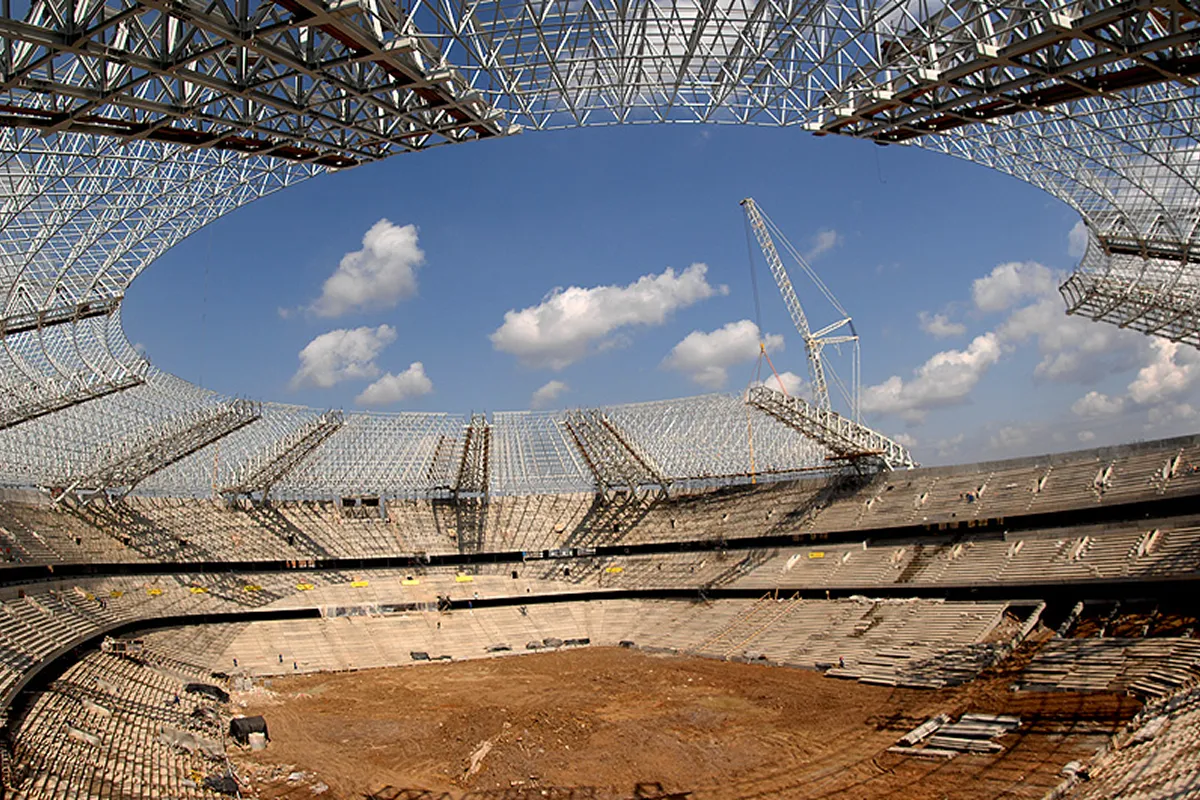
2008–2009: Metinvest expanded its international presence by acquiring assets in Italy, the United Kingdom and the United States. The company introduced European environmental management standards. Metinvest supplied 12,000 tonnes of steel for the construction of the Donbass Arena in Donetsk, which opened in 2009.
2010–2011: Mariupol’s Ilyich Iron and Steel Works (MMKI) joined the Group. In 2011, Metinvest recorded its highest-ever level of steel production (more than 14 million tonnes) and output of rolled products (more than 11 million tonnes).
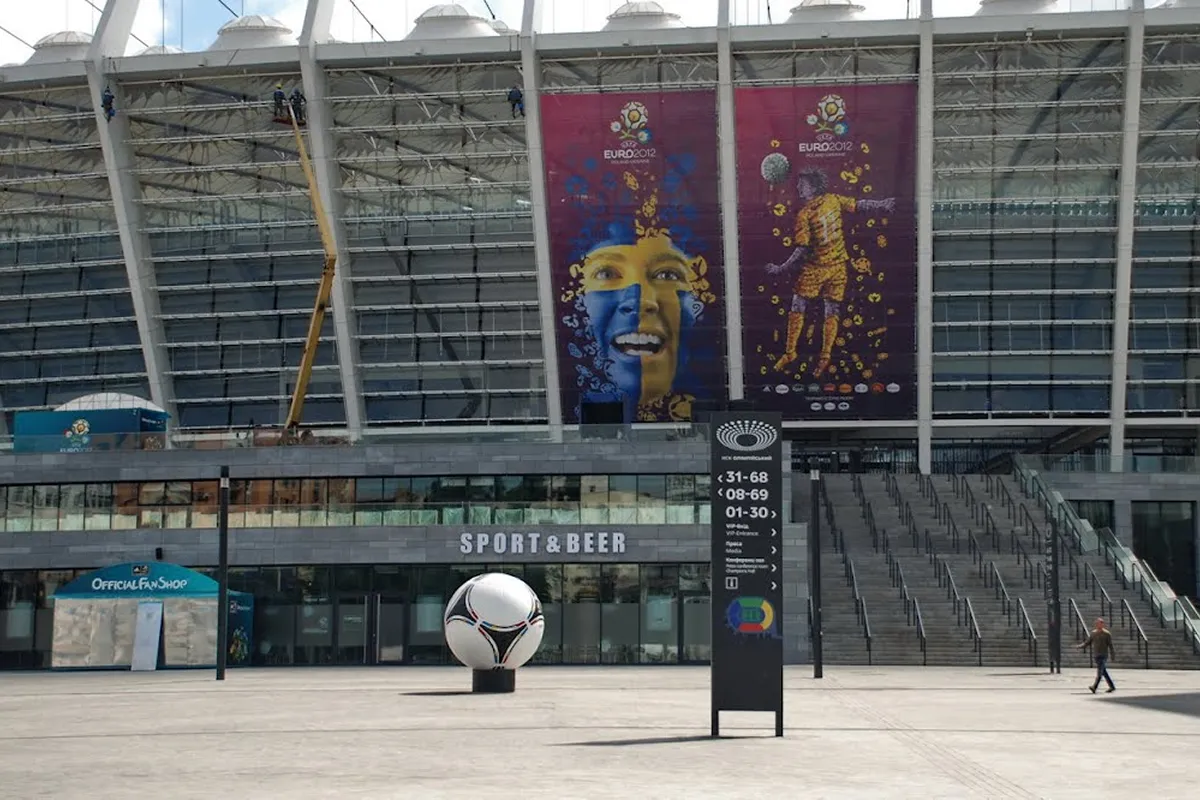
The Group supplied 5,500 tonnes of steel for the Darnytskyi Bridge, while Metinvest steel was also used in the construction of the NSC Olimpiyskiy, the main stadium of the UEFA EURO 2012 football tournament.
2011–2016
2012: Ukraine hosted UEFA EURO 2012, which had both positive and partly negative effects on the country’s image. On the one hand, stadiums and airports were built, and roads were renovated. On the other hand, preparations for the tournament were marred by numerous corruption scandals. Ukraine earned three times less from the tournament than it spent.
2012–2015: Metinvest employed more than 100,000 people. The Group became the first Ukrainian company to join the European Steel Association (EUROFER).
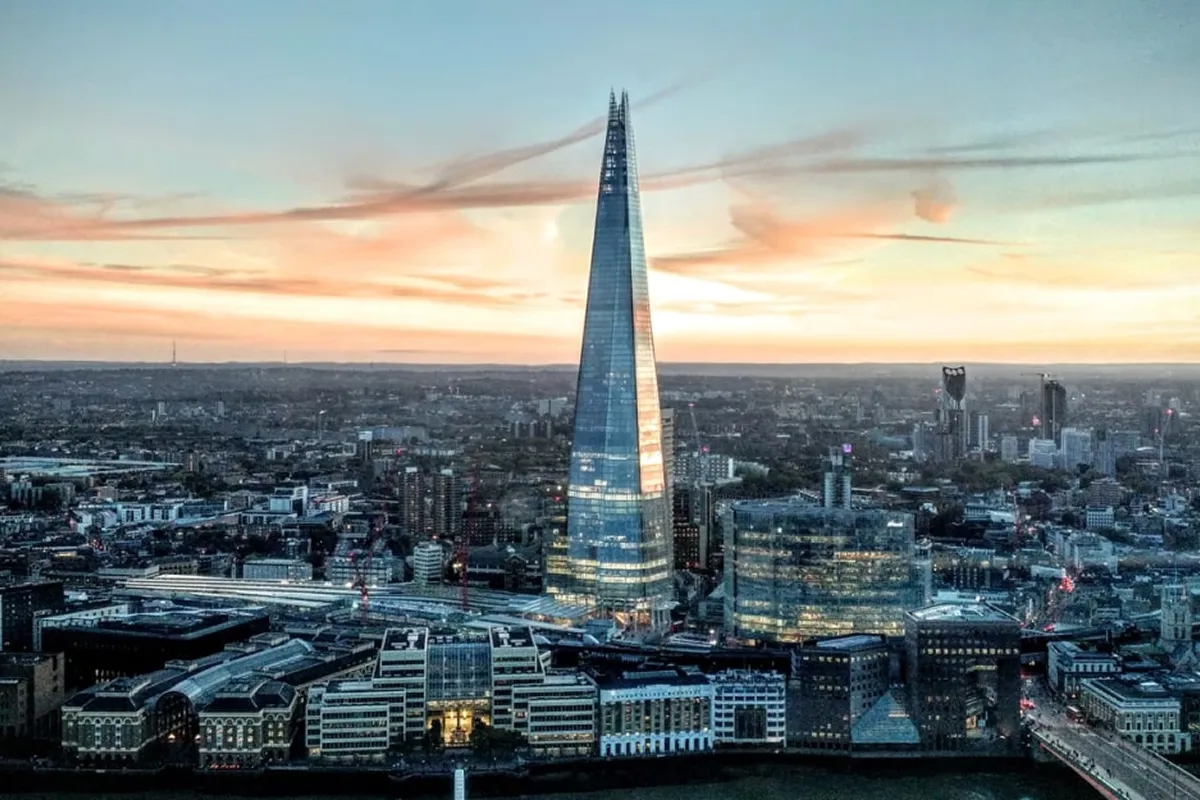
Using 5,000 tonnes of Metinvest steel, The Shard, the tallest building in the United Kingdom, was constructed in London.
2014–2015: Russia’s occupation of Crimea and the outbreak of war in eastern Ukraine resulted in the loss of a significant share of the country’s industrial capacity, leading to rising inflation and a sharp depreciation of the hryvnia.
2015–2016: The National Bank of Ukraine introduced an inflation-targeting regime. The banking sector was cleaned up and PrivatBank was nationalised to prevent a systemic financial crisis.
2014: Following the outbreak of the war in eastern Ukraine, the Group began actively supporting Ukraine’s Defence Forces.
2016–2021
2016: The Deep and Comprehensive Free Trade Area (DCFTA) between Ukraine and the European Union came into effect, gradually redirecting Ukrainian exports from the Russian market to European markets.
2016: Metinvest’s Mariupol plants launched production of almost 100 new products. Metinvest steel was used to build the new locks of the Panama Canal and reconstruct Kyiv’s Central Department Store (TsUM).
2017: Ukraine introduced a complete trade and transportation blockade of the temporarily occupied areas of the Donetsk and Luhansk regions.
2017: As a result of actions by Russian-backed separatists, the Group lost control over some of its facilities in the occupied territories and was forced to restructure its production and logistics processes.
Despite these challenges, the company expanded into the markets of Western Europe and the Asia-Pacific region.
2018–2019: With the sinter plant in Mariupol, the Group launched the largest environmental reconstruction project in Ukraine’s history.
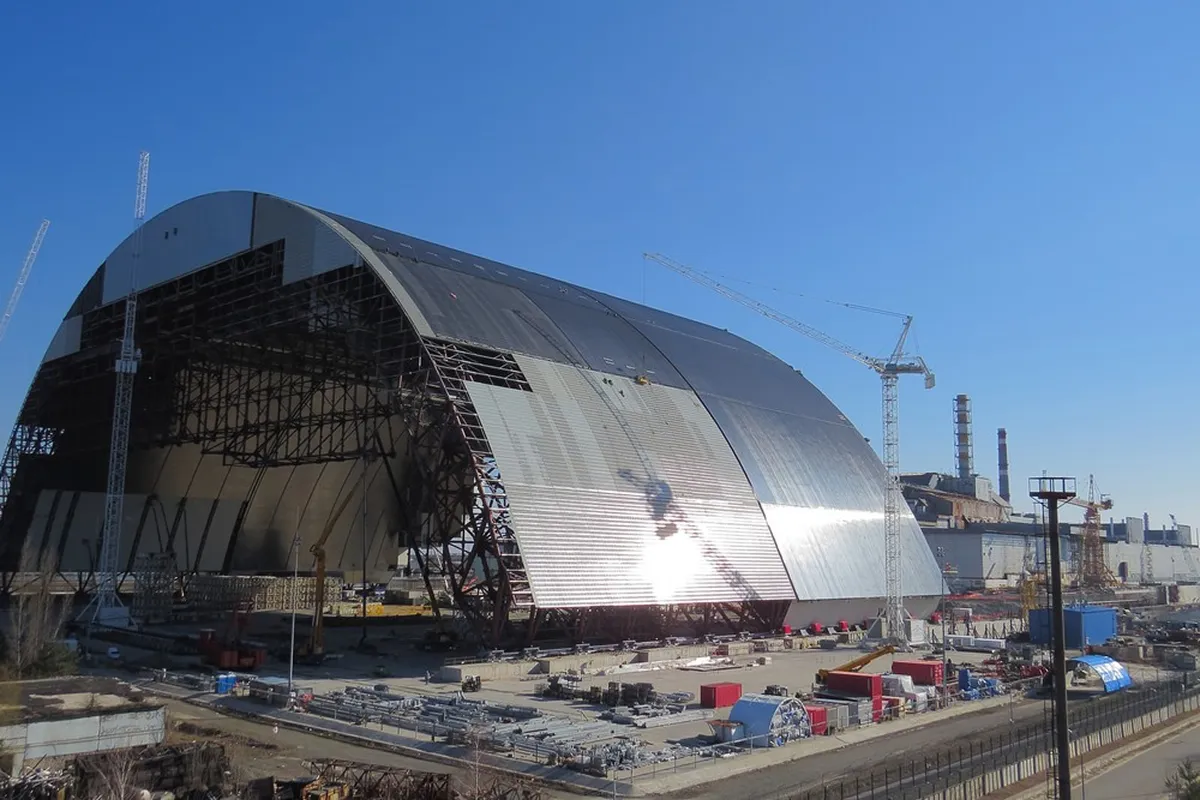
Metinvest steel was used to construct the New Safe Confinement shelter over the Chornobyl Nuclear Power Plant.
2020–2021: The COVID-19 pandemic brought the global economy to a standstill. Ukraine, like the rest of the world, entered a period of quarantines and lockdowns.
2021: Ukraine launched its agricultural land market, giving Ukrainians the right to freely buy and sell agricultural land, while the long-standing moratorium on this became a thing of the past.
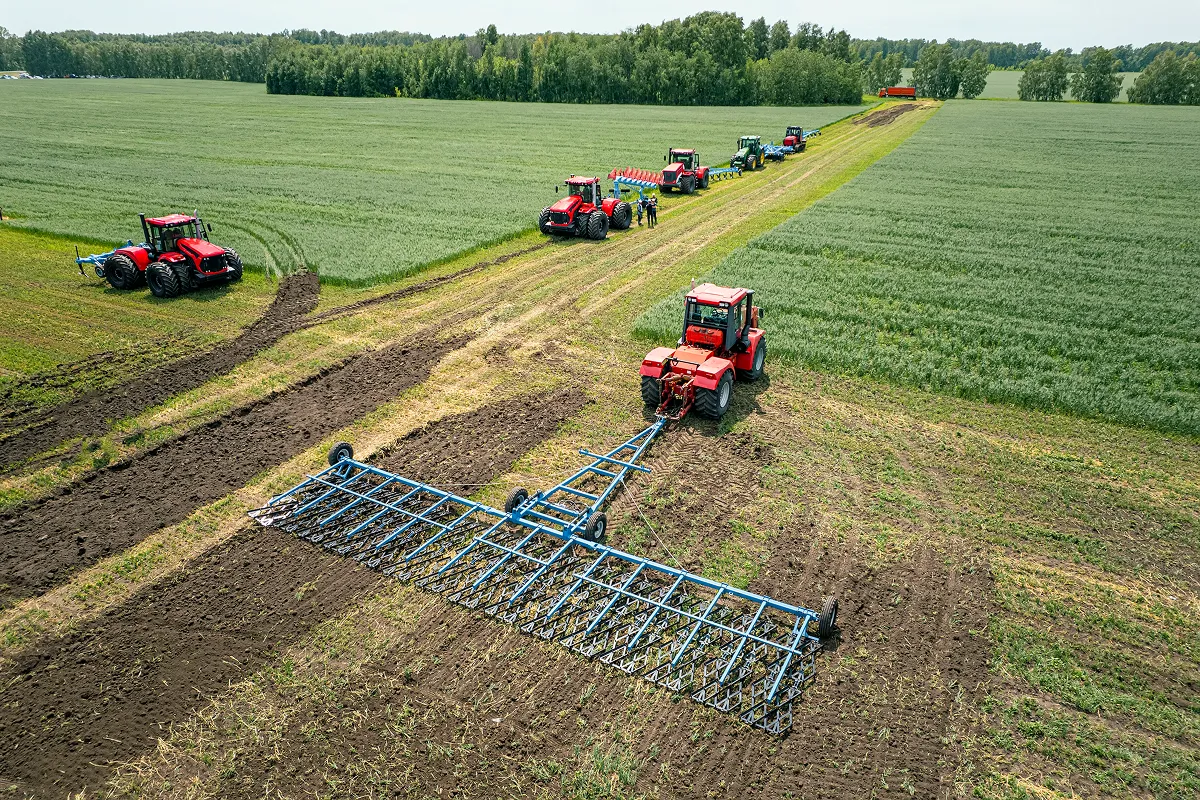
2020–2021: The Group reached a record level of annual investment of US$1.28 billion.
Metinvest Polytechnic, Ukraine’s first private technical university, was established.
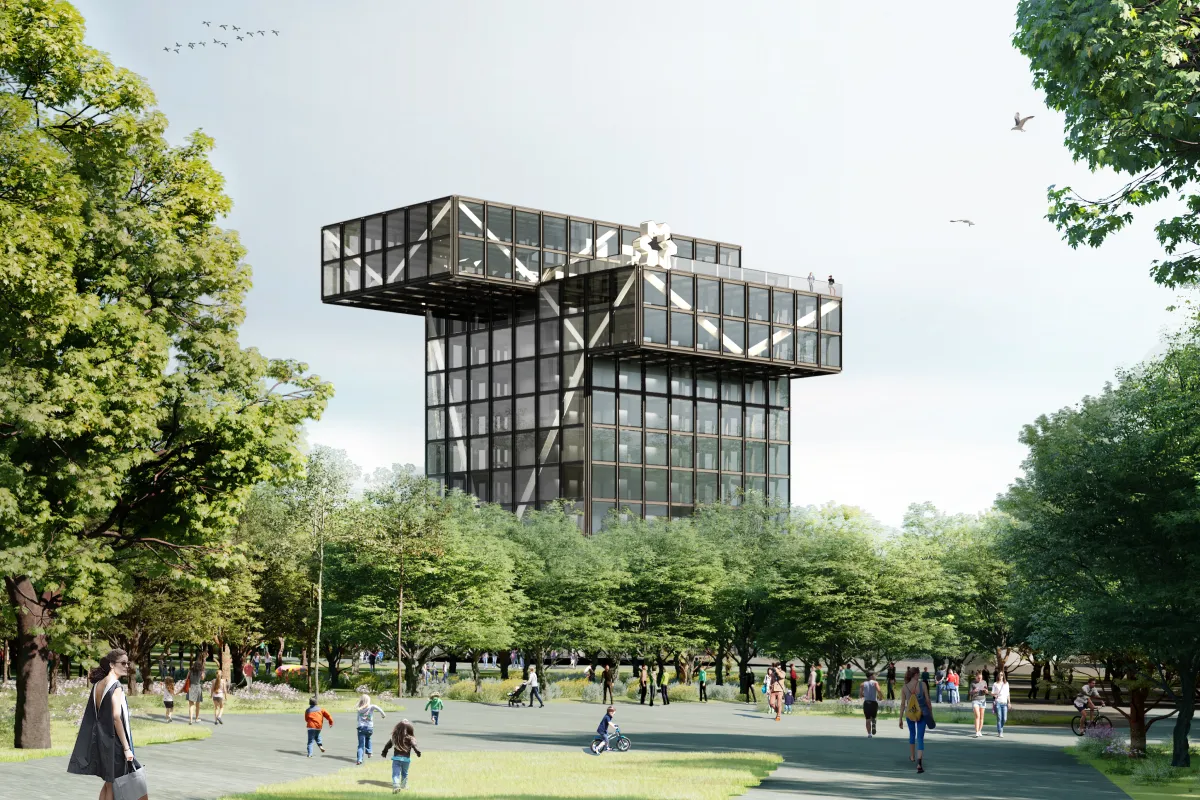
Metinvest supplied 18,500 tonnes of steel for the construction of the Saint George Bridge in Genoa, Italy.
2022–2026
2022: Russia launched its full-scale invasion, resulting in unprecedented losses for Ukraine’s economy: GDP fell by nearly 30%, ports were blockaded, industrial assets in the east and south of the country were lost or destroyed, millions of Ukrainians were forced to flee abroad, and businesses faced severe labour shortages.
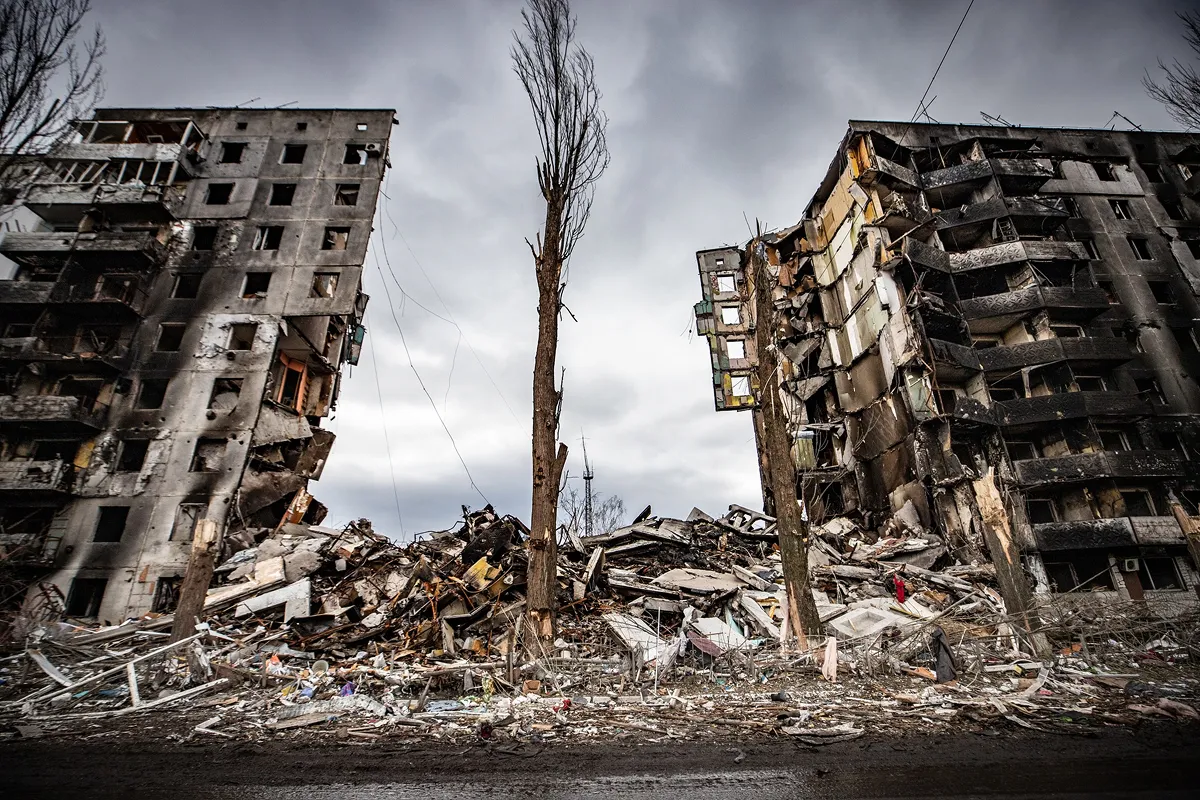
2022: The most difficult year in Metinvest’s history. The enemy occupied Mariupol, while the defence of Azovstal became a symbol of Ukraine’s resistance to the aggressor. The Group focused its efforts on supporting the country by joining Rinat Akhmetov’s Steel Front initiative and launching defence production.
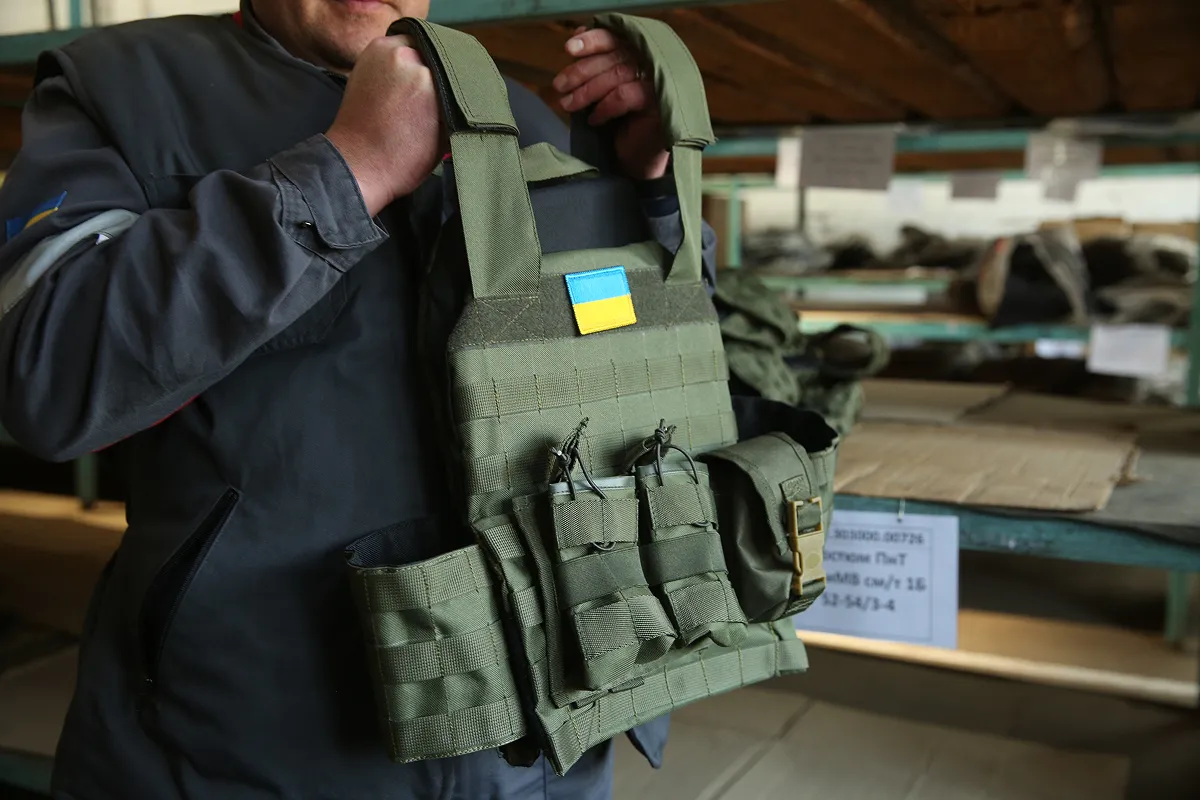
2023: The Black Sea blockade forced Metinvest to redirect its exports to rail and port routes through the European Union, which became the company’s main export market.
2022–2023: Ukraine began receiving its first large-scale international financial and military assistance. Black Sea ports were partially unblocked, while the country’s defence industry began to develop rapidly.
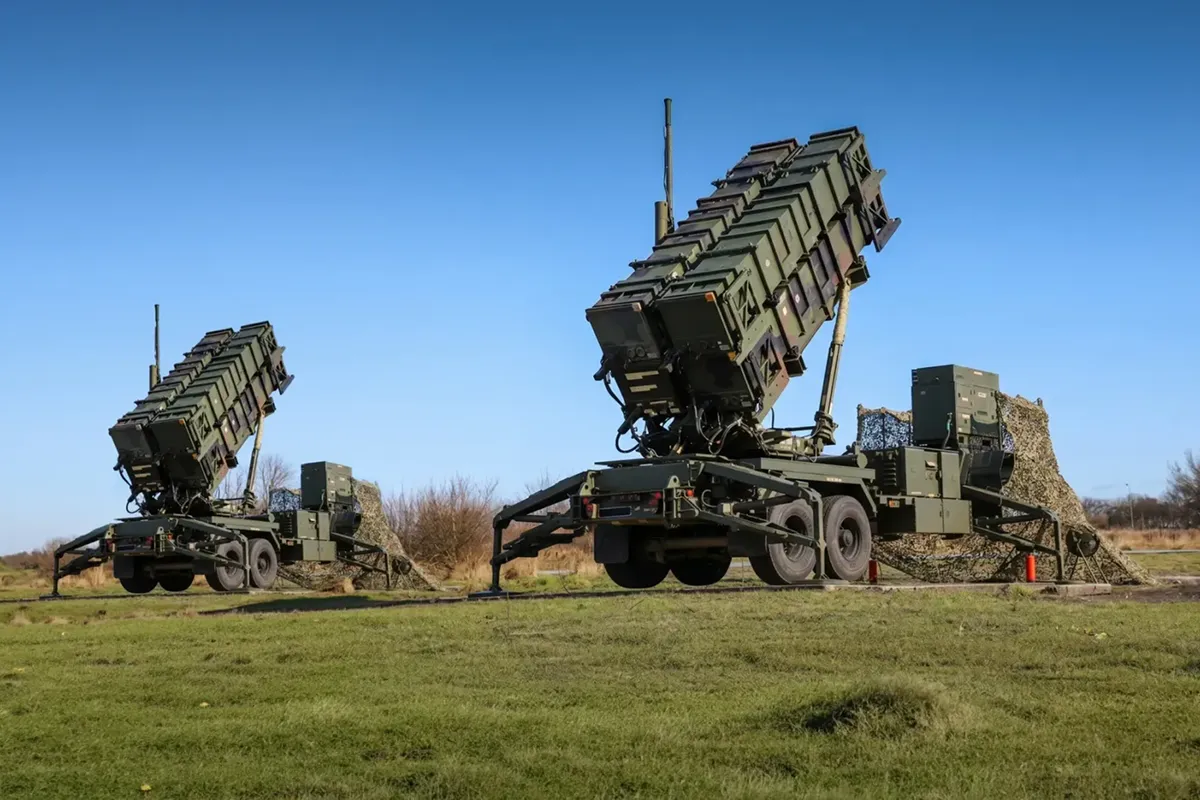
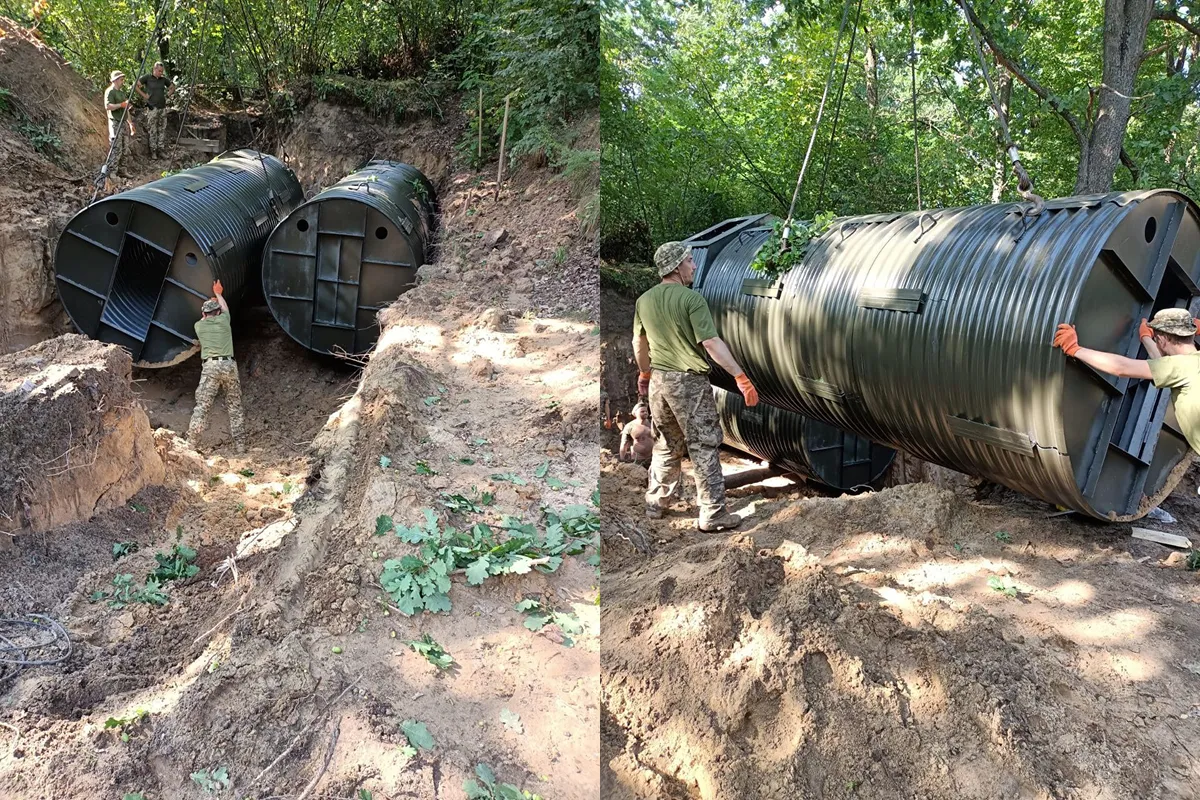
Metinvest began large-scale production of steel bunkers (“kryivkas”) and protective screens for Ukrainian military equipment. The Group also directed resources towards humanitarian initiatives and support for its employees and local communities.
2024–2026: Ukraine continued to strengthen its domestic drone and missile capabilities and responded to Russia’s attacks on energy infrastructure by striking oil refineries, ports and military facilities.
2024–2026: Despite the war, Metinvest remained one of Ukraine’s largest exporters, investors and taxpayers.
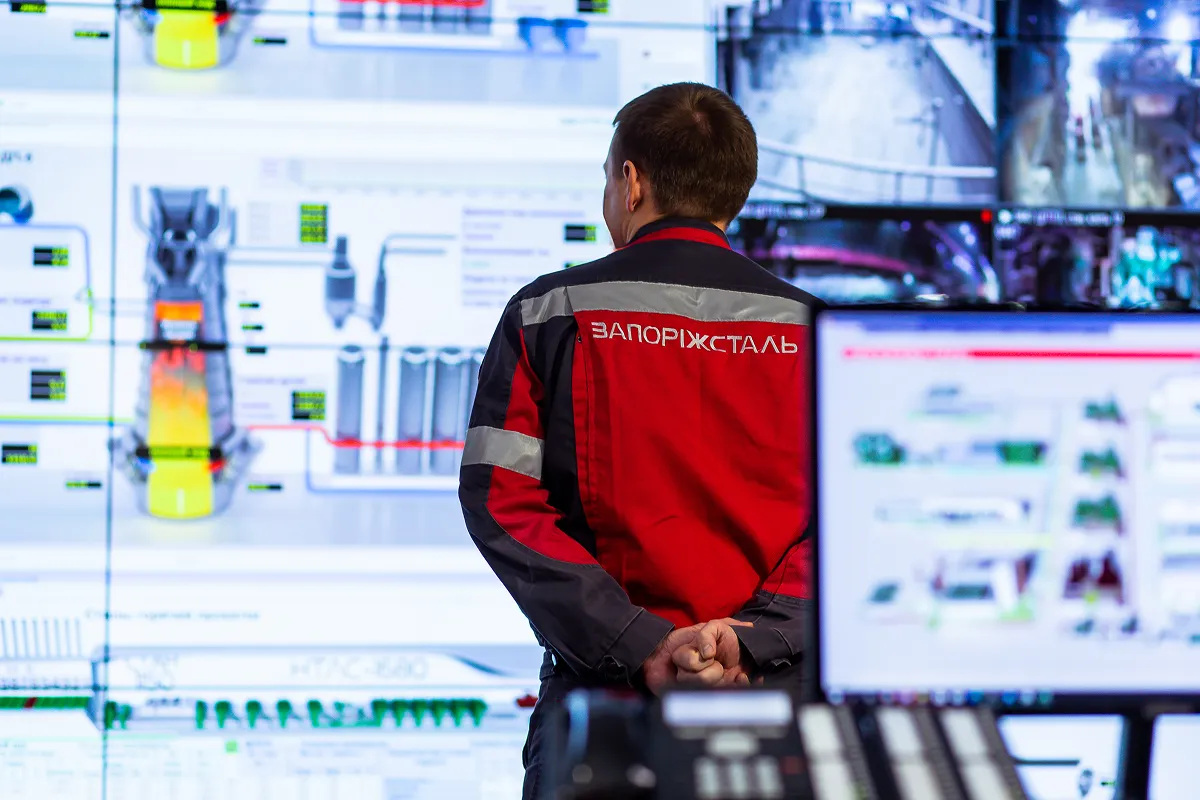
The Group allocated more than UAH 10 billion to support Ukraine’s Defence Forces and civilians. Metinvest also developed the Steel Dream project for the reconstruction of Ukrainian cities.
This timeline includes only those events that can be documented, named and described. Behind them, however, lies much more: everyday decisions, unseen work and countless human stories.
Over the past 20 years, Ukraine has repeatedly faced challenges that have transformed not only its economy but the country itself. During these periods, businesses, the media and society learned to operate amid constant turbulence, find new solutions and build the future despite crises and war.
Through hardship and upheaval, through setbacks and achievements, steel is forged, truth is shaped and the history of Ukraine is made.
